PCOS
What I Wish I Could Tell My Younger Self About Healing PMOS / PCOS
I was diagnosed with PCOS at 14 and nobody explained it. Here are the five things I would tell that girl today, from what my missed periods were really saying to why PMOS is a metabolic condition, not just an ovary problem.
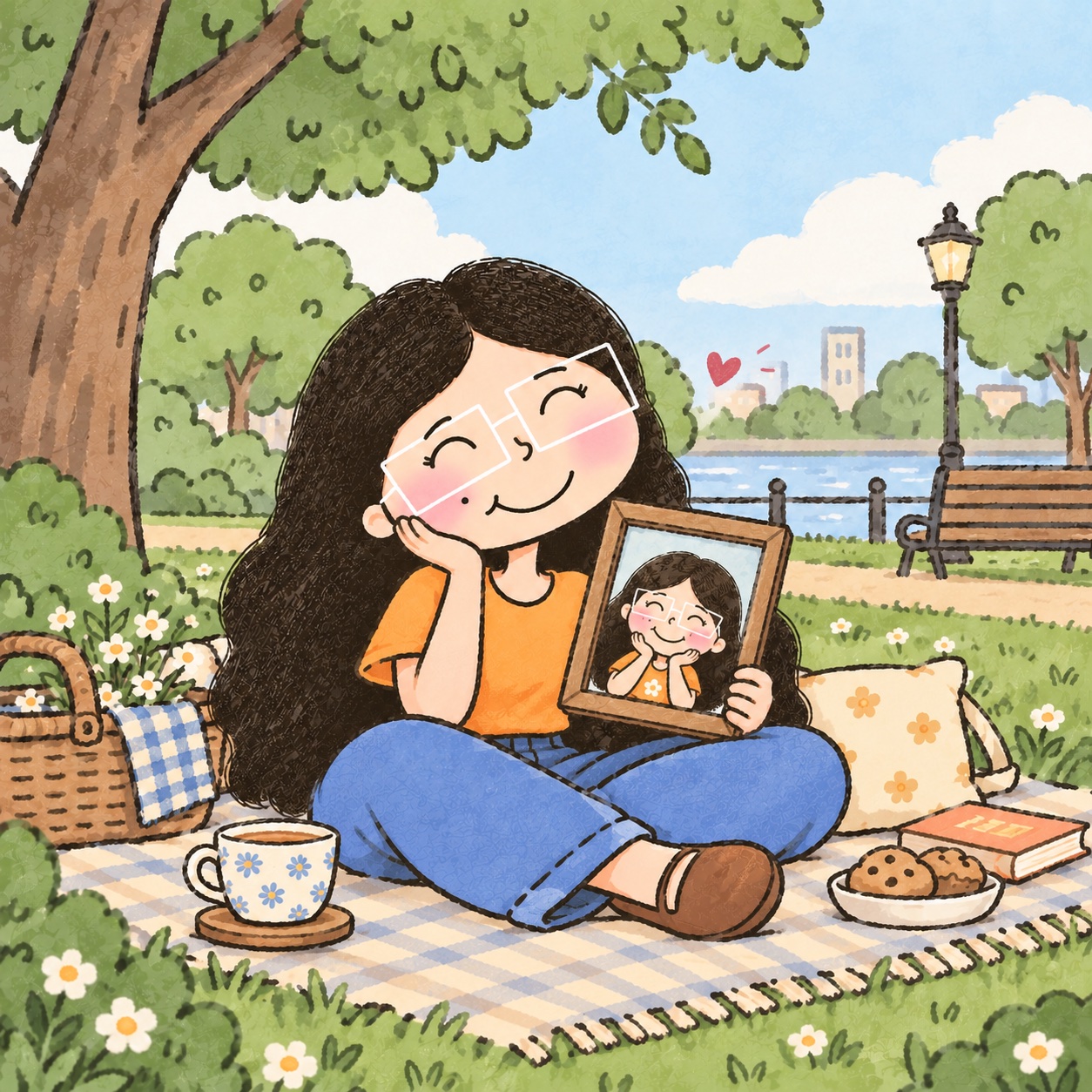
The letter I needed at 14
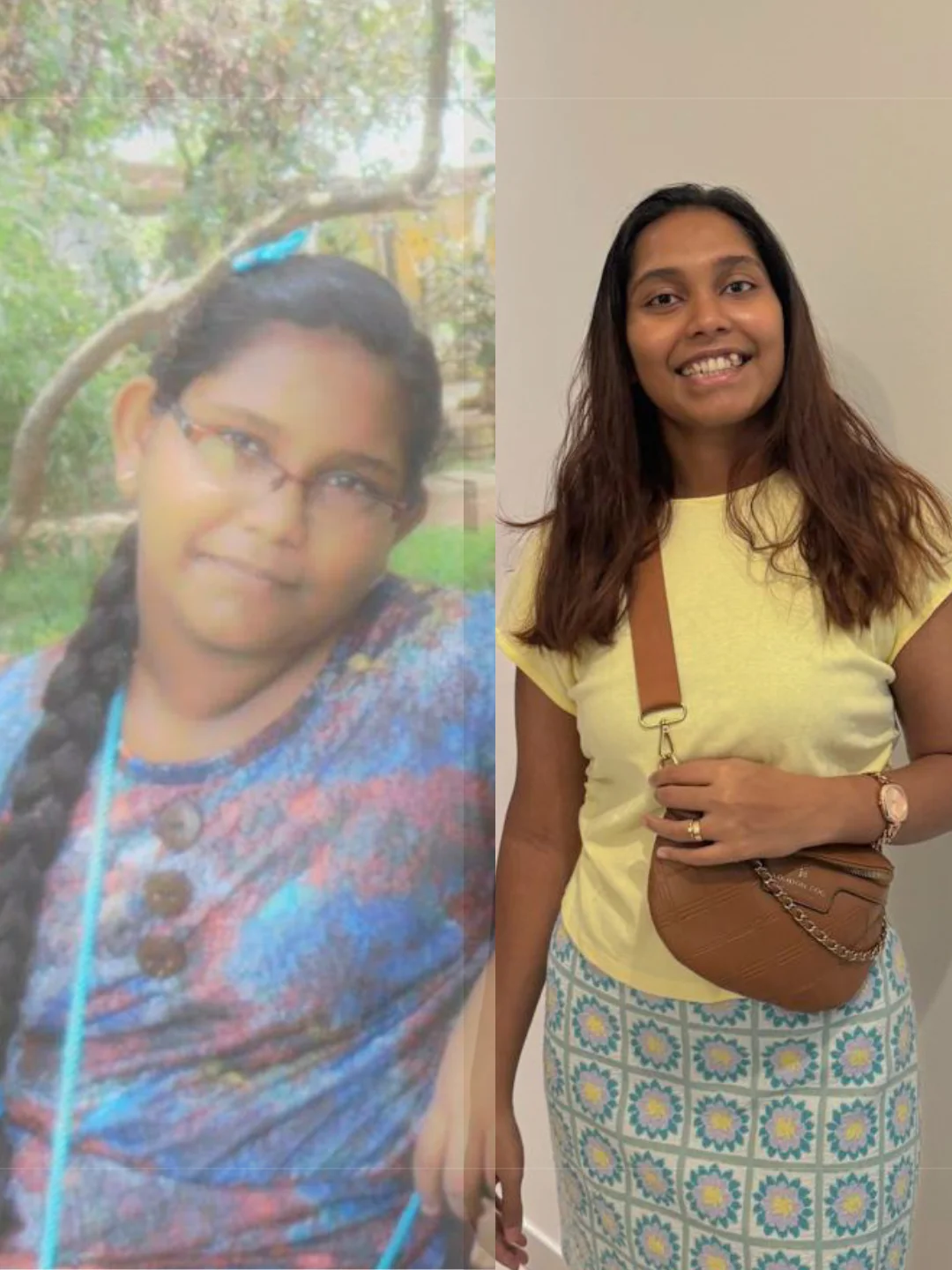
I was diagnosed with PCOS when I was 14. Nobody sat me down and explained what it actually was. When my mom took me to the gynaecologist, my experience was horrible. I remember everyone at the clinic looking at me as if I had come to see the gynaecologist because I got pregnant or something. It was a taboo thing at the time and nobody talked about it. The mentality was that only pregnant people go to gynaecologists. The doctor was old and not friendly at all.
All I was told was that it had something to do with my ovaries, and I was handed a pill and sent home. It was a traumatic experience for me, so I never wanted to go to a gynaecologist again, and I refused to go back. I was young and I didn't know it would slowly come back to bite me as I grew up.
If I could sit across from that girl today, there are five things I would tell her. They are the truths that took me years, a surgery and a lot of trial and error to find.
One note before we start. I'm sharing what I've learned and what worked for my body. I'm not a doctor, and this isn't medical advice. Please work with your own doctor, especially if you take medication.
1. Irregular periods are a vital sign you shouldn't ignore
What I believed: Missed periods were "normal for me," and "it's okay."
For years that was my explanation. A period would show up, then disappear for months, then show up again. I got used to it. I even got a bit relieved when it didn't come, because who wants a period? Nobody told me to be worried, so I wasn't.
What I know now: Your cycle is like your monthly health report card. Mine was an early warning that I ignored for a very long time.
A regular cycle means a lot of things are working together: your brain, your thyroid, your blood sugar, your stress levels and your ovaries are all talking to each other. When the period goes missing, one of those conversations has broken down. It's not a failure on your part. It's your body telling you something in the only language it has.
This is also why I get a little frustrated when a period is treated as the thing to fix. A pill can make you bleed on a schedule. It doesn't tell you whether you're actually ovulating, and it doesn't touch the reason the cycle went quiet in the first place. I was put on birth control, and I wrote about what that cost me and what finally happened with my cyst. My natural cycle was gone for over a year before I found what actually helped.
If your periods are months apart, please don't wait the way I did. It's worth asking why.
2. Even without sweets, the mountain of carbs was the problem
What I believed: I didn't eat that much sugar, so my diet was fine.
I grew up in Sri Lanka, and the food I grew up on is carb-heavy, many times a day. Rice, string hoppers, bread, and as a kid I also ate a lot of instant noodles. I was a chubby kid, haha. I loved all of it. I still do.
I wasn't living on cake and sweets, so I never thought my diet could be part of the problem. I thought sugar was the villain, and I wasn't eating much of it.
What I know now: Starch breaks down into glucose. A big bowl of rice, a stack of string hoppers, a pile of bread, it all ends up as sugar in your blood, even when nothing on the plate tastes sweet. Your body answers glucose with insulin. If that happens at every meal, several times a day, insulin never gets a chance to come back down.
And high insulin is not a small thing for someone with PMOS. When insulin stays high, it can push the ovaries to make more androgens, and that is a big part of what disrupts ovulation. I explained this in more detail in Treating the Symptoms Isn't the Same as Treating PCOS.
This is not about blaming the food I grew up with or anyone's culture. It's about understanding what a pile of starch does inside a body that is already struggling to handle insulin. I just wish somebody had told me that "I don't eat sweets" and "my blood sugar is fine" are two different sentences.
3. Protein alone wasn't enough. Going low-carb changed everything
What I believed: A piece of chicken or fish next to a huge mound of rice was "eating healthy."
I thought I was doing everything right. Protein on the plate, check. Then a mountain of rice next to it, because that's what a meal looked like to me. I tried smaller portions, I tried exercising more, and it was never enough to shift anything for long.
What I know now: Adding protein to a high-carb meal doesn't remove the carbs. The rice still turns into glucose. What changed things for me was going very low-carb, built on clean protein and natural fats: eggs, beef, butter and ghee.
I do still enjoy carbs occasionally, depending on the phase of my cycle, but only very small portions of complex carbs. For me that means something like ¼ to ½ cup of black rice, and that's what works for my body.
Here is what I noticed:
- Steady blood sugar. No more rollercoaster between meals.
- No more constant cravings. I stopped thinking about food every two hours.
- Room for my ovaries to heal. My cycle, which had been gone for over a year, came back about two and a half months in.
That last one still gets me. I wrote the whole thing out in My Keto Journey: How I Restored My Cycle and Energy, including how I started and what I ate.
I want to be honest about the research, too. Low-carb and ketogenic diets look promising for PCOS, with studies pointing to better insulin sensitivity and improvements in menstruation and fertility. But a recent scoping review describes that evidence as short-term, and larger, longer trials are still needed. So I'm not telling you this is the only way or that it works the same for everyone. I'm telling you it worked for me, and that the science is heading in the same direction.
4. Exercise was great, but unmanaged stress was quietly breaking me
What I believed: If I kept moving, I was doing enough.
I used to feel anxious all the time. I remember it got worse when I was in university. I started doing Pilates because it helped me relax, and I loved it. I have been doing Pilates for about 8 years now. It made me feel strong and it was a good outlet. But even with all the movement, my stress stayed in the red. I was busy, I carried a lot, and I didn't know how to put any of it down.
What I know now: Stress raises cortisol, and chronically high cortisol can make insulin resistance worse and get in the way of ovulation. Reviews of women who lose their periods because of stress describe the same thing: when the stress system stays switched on, the brain turns down the signals that drive ovulation. A recent review on the neuroendocrine changes in functional hypothalamic amenorrhea goes through this in detail. Much of that research is in women with stress-related amenorrhea rather than PCOS specifically, so I don't want to overstate it. But it matched my own experience exactly: I could do everything right with food and exercise, and a body that never feels safe still has a hard time healing.
What helped me was boring, and it was not optional:
- Rest. Real rest, not scrolling.
- A calm nervous system. Slow evenings, walks, switching off.
- Healthy boundaries. Saying no, and not feeling guilty about it.
- God's peace. Prayer was what actually settled me when nothing else could. I've said this before and I'll say it again: surrendering the things I couldn't control gave me a lightness that no routine ever did.
I also wrote about some of the daily habits in 5 Shifts I Prioritized to Reverse My Hormone Imbalance.
5. Insulin resistance was the root cause behind it all
What I believed: It was just an "ovary problem."
That's how it was explained to me, and for years that's how I thought of it. Something wrong with my ovaries, so the fix must be about my ovaries.
What I know now: PMOS is metabolic. It affects your entire body. I needed the kind of care a metabolic condition needs.
That sounds dramatic until you look at the name. PCOS was recently renamed PMOS, Polyendocrine Metabolic Ovarian Syndrome, because the old name "reduced a complex, long term hormonal or endocrine disorder to a misunderstanding about 'cysts' and a focus on ovaries." The ovaries are where it shows up. A lot of the time, insulin is what's driving it.
I'm not saying every person with PMOS has insulin resistance. It isn't the same for everyone, and it's more common in some than others. But for me, once I started treating it like a metabolic condition, a long list of things I had treated as separate problems started to settle on their own.
Here is what began to resolve for me:
- Irregular periods
- Hair loss
- Facial hair
- Sugar cravings
- Brain fog
- Fatigue and afternoon crashes
- Mood swings and anxiety
- Belly fat
- Bloating and puffiness
- Gut issues
- That "hangry" shakiness
I want to be careful with the word "resolve." It was gradual, it wasn't perfect, and it didn't happen overnight. It took months. But the direction was clear, and it was the same root causing all of it. That's why I'd tell anyone to stop playing whack-a-mole with single symptoms.
To the girl who feels stuck in her body
If you're reading this and you feel stuck in your body, this part is for you.
Your body isn't broken.
It's responding to what it's been given: the food, the stress, the lack of rest, the pills that covered the problem without solving it. That's good news, because it means there is something you can change. Real healing is possible. I'm proof that a cycle that was gone for over a year can come back, and that energy you thought you'd lost can return.
You don't have to figure this out alone, either. If you want more, my full story, gentle encouragement and low-carb recipes are all on this site. Start with My Keto Journey, or browse the recipes.
And if you've just been told you have PCOS, whatever age you are: I'm sorry nobody explained it properly. It's not your fault, it's not the end of anything, and there is so much more to this than anyone told you.
Sources
Thanks for reading.
More on PCOS, real food and faith, written from the middle of it.
One email a month. Unsubscribe any time.